


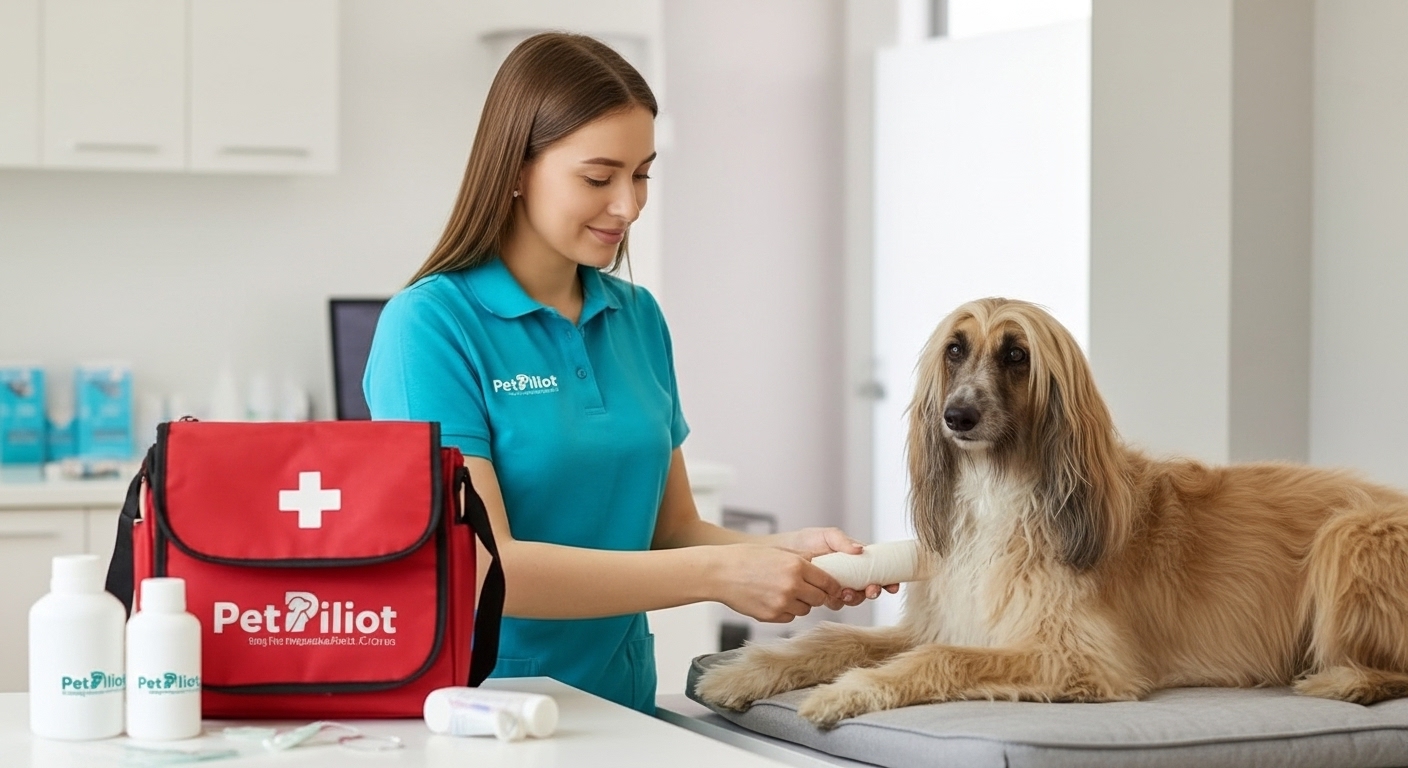
Pet First Aid is one of the most important skills every pet parent should know. Every pet parent’s heart skips a beat when they imagine their beloved companion in distress. The gentle purr that usually greets you at the door has been replaced by labored breathing, or your energetic dog who never misses a chance to chase a ball is now limping and whimpering. In these critical moments, your knowledge of Pet First Aid can mean the difference between life and death.
Understanding the Gravity of Pet Emergencies
Pet emergencies don’t announce themselves with fanfare. They arrive suddenly, often when we least expect them. A curious cat might ingest a toxic plant during a quiet afternoon, or an adventurous dog could suffer a laceration during what began as a routine walk. The statistics are sobering—thousands of pets face emergencies annually that require immediate intervention.aspcapetinsurance+1
Unlike human emergencies where bystanders might offer assistance, pet emergencies often leave you as the sole first responder. Your pet’s survival may depend entirely on your ability to remain calm, assess the situation accurately, and provide appropriate care until professional veterinary help becomes available.aspcapetinsurance

The Foundation of Pet First Aid & Emergency Response
Preparation forms the cornerstone of effective emergency response. Just as pilots practice emergency procedures until they become second nature, pet parents must familiarize themselves with basic first-aid principles before an emergency occurs. The adrenaline and emotional stress of seeing your pet in distress can cloud judgment and impair decision-making abilities.zoetispetcare
The Pet First Aid Dr ABCs Protocol
Professional veterinarians and emergency responders follow a systematic approach known as the Dr ABCs protocol:pdsa
- Danger: Assess the environment for ongoing threats to both you and your pet
- Response: Determine if your pet is conscious and responsive to their name or gentle touch
- Airway: Ensure the breathing passage is clear of obstructions
- Breathing: Verify that your pet is breathing normally
- Circulation: Check for pulse and signs of adequate blood flow
- Send: Dispatch someone to seek professional veterinary assistance
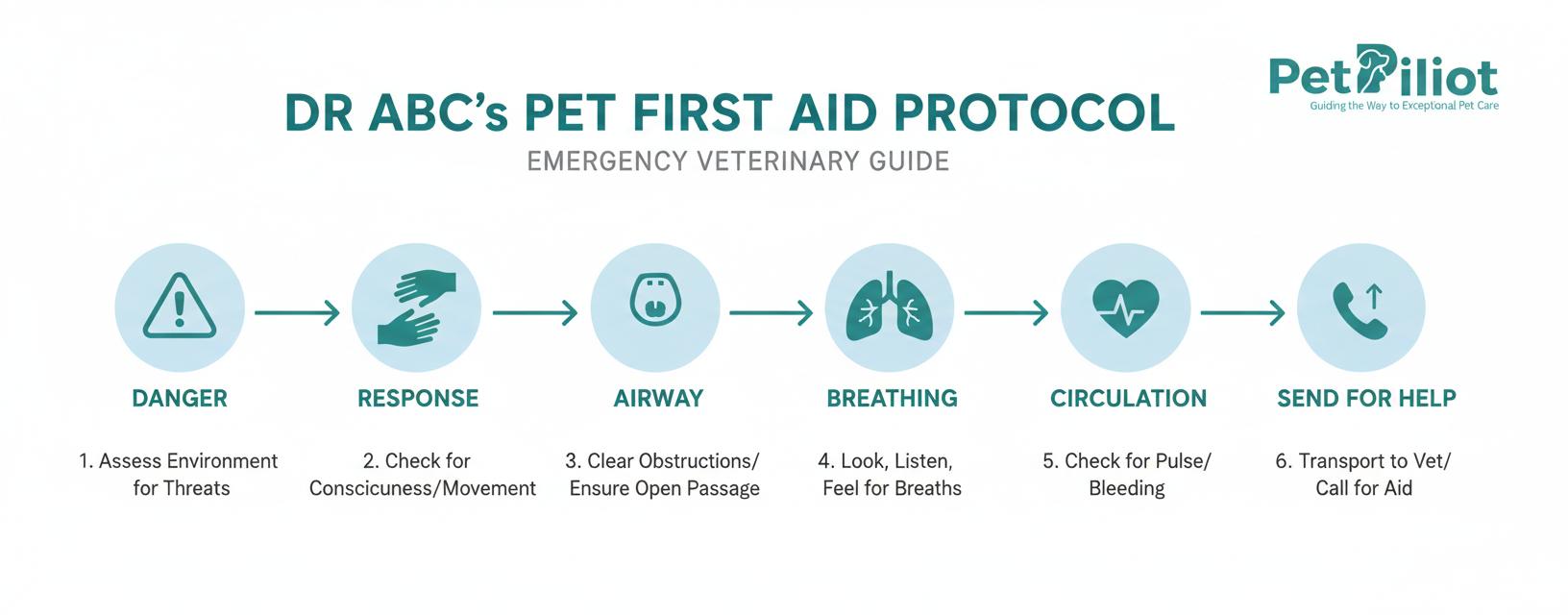
This methodical approach prevents panic-driven mistakes and ensures that critical factors aren’t overlooked during high-stress situations.
Building Your Pet’s Lifeline: The First-Aid Kit
A well-stocked first-aid kit serves as your pet’s lifeline during emergencies. Unlike human first-aid supplies, pet-specific items require careful consideration of your companion’s unique physiology and needs.zoetispetcare
Essential Components
Your pet’s first-aid kit should contain these crucial items:pdsa+1
Wound Care Supplies:
- Non-stick gauze pads (3″ x 3″)
- Rolled gauze for securing dressings
- Self-adhering bandages that won’t stick to fur
- Medical tape designed for animals
- Cotton balls and swabs for gentle cleaning
Assessment Tools:
- Digital rectal thermometer with lubricant
- Small flashlight for examination
- Magnifying glass for detailed inspection
- Tweezers and forceps for foreign object removal
Emergency Medications:
- Diphenhydramine for allergic reactions (veterinarian-approved dosage only)
- 3% Hydrogen peroxide for induced vomiting (never use in cats)
- Styptic powder to control minor bleeding
- Saline solution for wound irrigation
Restraint and Transport:
- Soft muzzle (even gentle pets may bite when injured)
- Leash and collar for secure handling
- Large towel for warmth and transport
- Emergency contact information
Remember to review and refresh your kit every three months, checking expiration dates and replacing used items.zoetispetcare
Common Emergency Scenarios and Response Protocols
Bleeding Emergencies
Bleeding represents one of the most frightening yet manageable pet emergencies. Whether caused by a laceration from broken glass or a bite wound from another animal, your immediate response can prevent life-threatening blood loss.butternutbox+1

Immediate Actions:
- Apply direct pressure using clean gauze or cloth directly over the wound
- Elevate the injured area above the heart level when possible
- Maintain consistent pressure until bleeding subsides or professional help arrives
- Never remove embedded objects—stabilize them in place and transport immediately
For severe bleeding that doesn’t respond to direct pressure, seek immediate veterinary attention. Time becomes critical when dealing with arterial bleeding or wounds involving major blood vessels.butternutbox
Choking Incidents
Choking emergencies require swift, decisive action. Dogs and cats can inhale or swallow objects ranging from small toys to food particles, causing airway obstruction.aspcapetinsurance
Response Protocol:
- Open the mouth carefully and visually inspect for visible foreign objects
- Attempt removal using tweezers or fingers, being careful not to push the object deeper
- Perform modified Heimlich maneuver: For small pets, hold them chest-down and deliver sharp taps between the shoulder blades. For larger dogs, lift the hind legs while supporting the chest and apply upward pressure below the ribcage
- Check breathing and be prepared to perform rescue breathing if the airway is cleared but breathing doesn’t resume
Burns and Thermal Injuries
Burn injuries require immediate cooling and professional evaluation. Whether caused by hot surfaces, chemicals, or electrical sources, burns can cause severe pain and tissue damage.zoetispetcare
Treatment Steps:
- Remove your pet from the heat source immediately
- Cool the burned area with room-temperature water for 10-20 minutes (avoid ice-cold water)
- Cover loosely with clean, non-adhesive material
- Keep your pet warm (except the burned area) to prevent shock
- Seek immediate veterinary care for all but the most minor burns
Never apply ointments, creams, or home remedies to burn wounds, as these can interfere with professional treatment.zoetispetcare
Poisoning Emergencies
Poisoning represents a time-critical emergency where minutes can determine outcome. Common household items including chocolate, grapes, certain plants, and human medications pose serious threats to pets.aspcapetinsurance
Immediate Response:
- Identify the toxic substance and estimate the amount consumed
- Contact the ASPCA Animal Poison Control Center at (888) 426-4435 or your veterinarian immediately
- Follow professional guidance regarding whether to induce vomiting
- Never induce vomiting without professional instruction, especially with caustic substances
- Transport your pet along with the toxic substance container for identification
Advanced Pet First Aid: Life Support & CPR
Cardiopulmonary resuscitation (CPR) represents the most advanced skill in pet first-aid. While the hope is that you’ll never need these techniques, knowing them can save your pet’s life during cardiac or respiratory arrest.youtubeaspcapetinsurance
CPR Technique for Dogs and Cats

Small Dogs and Cats (under 30 pounds):
- Place your pet on their side on a firm surface
- Cup your hand around the sternum area
- Compress at 120 beats per minute (think “Stayin’ Alive” tempo)
- Provide rescue breaths by extending the head, closing the mouth, and breathing into the nostrils
Large Dogs (over 30 pounds):
- Position on their side on a firm surface
- Lock your hands and place over the widest part of the chest
- Compress one-third to one-half the chest width
- Maintain 120 compressions per minute with rescue breaths every 4-5 seconds
Continue CPR until your pet resumes breathing independently or you reach veterinary care.youtube+1
When Every Second Counts: Recognizing Critical Signs
Certain symptoms demand immediate veterinary intervention, regardless of your first-aid capabilities. Learning to recognize these red flags can save precious time during transport to emergency care:pdsa
- Difficulty breathing or blue-tinged gums
- Unconsciousness or unresponsiveness
- Severe bleeding that won’t stop
- Signs of poisoning or toxic ingestion
- Traumatic injuries from vehicle accidents
- Seizures lasting more than five minutes
- Suspected broken bones or spinal injuries
Remember that first-aid is never a substitute for professional veterinary care—it’s a bridge that sustains your pet until expert treatment becomes available.aspcapetinsurance
Prevention: Your Best Defense
The most effective emergency response is preventing emergencies altogether. Regular safety assessments of your home environment can eliminate many potential hazards before they threaten your pet’s wellbeing.
Creating a Pet-Safe Environment
Indoor Safety Measures:
- Secure toxic substances in locked cabinets
- Remove or elevate dangerous plants
- Cover electrical cords and outlets
- Store small objects that pose choking hazards
- Install safety gates to restrict access to dangerous areas
For comprehensive guidance on creating a safe home environment, explore our detailed Ultimate Guide to Pet Care: Tips and Tricks for Every Pet Owner, which provides extensive safety recommendations.
Seasonal Considerations also play a crucial role in prevention. Our guide on Pets in Monsoon Season: Comprehensive Care Guide offers valuable insights into weather-related safety measures that can prevent many seasonal emergencies.
The Emotional Component of Pet Emergencies
Your emotional state directly impacts your ability to provide effective first-aid. Pets are incredibly sensitive to their owner’s emotional condition, and your panic can intensify their distress. Maintaining composure isn’t just about effective treatment—it’s about providing the emotional stability your pet needs during their most vulnerable moments.aspcapetinsurance
Stress Management Techniques
Understanding your pet’s stress signals becomes crucial during emergencies. Our comprehensive guide on 6 Signs Your Dog Is Stressed & How to Relieve Dog Anxiety provides valuable insights that apply to emergency situations as well.
For senior pets, who may be more vulnerable to emergencies due to age-related conditions, our Senior Pet Care: Arthritis & Joint Pain guide offers specialized knowledge for managing emergencies in older companions.
Learning from the Experts
Professional training enhances your natural protective instincts with technical knowledge. Organizations like the American Red Cross offer pet first-aid certification courses that provide hands-on experience with emergency techniques. These courses teach you to:aspcapetinsurance
- Recognize subtle signs of distress before they become critical
- Perform technical procedures under pressure
- Make informed decisions about when to attempt treatment versus immediate transport
- Work effectively with emergency veterinary staff
Video resources can supplement formal training, providing visual demonstrations of critical techniques. This comprehensive tutorial from The Schwarzman Animal Medical Center offers professional-grade instruction in pet emergency response:
Essential Pet First-Aid Training Video: First Aid for Pets: How to Prepare for the Unexpectedyoutube
This detailed presentation covers everything from assembling your first-aid kit to performing CPR, presented by Dr. Ann Marie Zollo, a specialist in Emergency and Critical Care.
Technology and Modern Pet Emergency Response
Modern technology enhances traditional first-aid knowledge with instant access to expert guidance and emergency services. Smartphone apps can provide step-by-step emergency instructions, while telemedicine services offer real-time veterinary consultation during crises.
Essential Apps and Resources:
- ASPCA Animal Poison Control Center: (888) 426-4435
- Pet First Aid by American Red Cross (mobile app)
- Local emergency veterinary clinic contact information
- Your regular veterinarian’s after-hours emergency number
External Expert Resources:
For comprehensive first-aid guidance from veterinary professionals, consult Pet First-Aid Basics: Essential Tips for Every Pet Parent, which provides detailed protocols for common emergency situations.aspcapetinsurance
The PDSA First Aid for Pets resource offers UK-based veterinary expertise with downloadable guides for home reference.pdsa
Building Your Confidence Through Knowledge
Confidence in emergency situations comes from knowledge, preparation, and practice. Start by assembling your first-aid kit and familiarizing yourself with each item’s purpose. Practice basic techniques like checking pulse and respiration on your healthy pet so these actions become instinctive during actual emergencies.
Role-play different scenarios in your mind: What would you do if your pet was choking? How would you handle a bleeding wound? Where is your nearest emergency veterinary clinic? Mental rehearsal builds the neural pathways that enable calm, effective responses during real crises.
The Continuing Journey of Responsible Pet Ownership
Pet first-aid knowledge represents just one aspect of comprehensive pet care. As your pet ages, their emergency risks and care requirements evolve. Senior pets may face different challenges than younger animals, requiring specialized knowledge and preparation.
Your commitment to learning first-aid demonstrates the depth of love and responsibility that defines exceptional pet ownership. By investing time in education, preparation, and skill development, you’re providing your pet with the greatest gift possible: a guardian who’s prepared to protect them when they need it most.
Your Pet’s Hero Story Begins Today
Every pet emergency tells a story—and you determine whether it’s a tragedy or a tale of heroic rescue. The knowledge you gain today, the kit you assemble tomorrow, and the skills you practice regularly all contribute to your readiness for that critical moment when your pet’s life hangs in the balance.
Your pet trusts you completely, with the innocent faith that you’ll always be there to protect them. That trust isn’t misplaced—you have the capacity to become the hero your pet believes you already are. Through education, preparation, and dedication to their wellbeing, you can ensure that your pet’s story continues for many happy, healthy years to come.
The journey toward becoming your pet’s emergency hero begins with a single step: commitment to their safety. Take that step today, because the life you save may be the one that means everything to you.
Need Expert Help?
Along with resources like the Pet First Aid by American Red Cross app, you can also reach out to us directly for guidance and professional pet care support.
Visit our PetPiliot Homepage for expert articles, pet supplies, and veterinary support.https://petpiliot.com/contact-us/
Remember: This information provides general guidance for pet first-aid situations. Always consult with your veterinarian for specific medical advice and follow their recommendations for your pet’s individual health needs. In any emergency, contact your veterinarian or emergency animal hospital immediately.
